

Hey guys, I’m Sam, and for the last 8 years, I’ve been selling safety mirrors for a living—so I’ve seen pretty much every mistake people make when installing these things. Like, last month I got a call from a warehouse manager who just dropped $200 on a safety mirror, hung it where he thought made sense, and then a fork T-boned a pallet in the aisle right behind where the mirror was supposed to catch it. Total waste of money, and honestly, a tiny safety risk that could’ve been avoided if he’d checked a few basic install steps. If you’re not sure how to tell if your safety mirror is properly installed, this post is for you. No fancy jargon, just real stuff I’ve picked up from dealing with installers, facilities teams, and customers who’ve been there.
First, let’s get one thing straight: not all mirrors are made the same. When I’m chatting with new customers, I always mention that a cheap, thin residential mirror won’t cut it for warehouses, parking garages, or loading docks. That’s why we sell Safety Mirror — engineered to be shatter-resistant, with a tough backing that doesn’t crumble if it gets hit. But even the best safety mirror is useless if it’s not put in the right spot or mounted correctly. Let’s break this down step by step, starting with where you place it, because location is 90% of the battle.
1. Location Check: This Is Non-Negotiable
I can’t tell you how many times someone says “it looked like a good spot” then wonders why no one uses it. For safety mirrors, location isn’t a guess—it’s about line of sight, blind spots, and clearance.
First up: line of sight for everyone who needs to use it. If this is for a parking garage, it should be high enough that a driver in a full-size pickup or SUV can see their own hood in the mirror. Too low, and you only see tiny cars. Too high, and you’re looking over the mirror instead of through it. For warehouse aisles, it needs to catch a worker or forklift coming around a corner—so it should be mounted 6 to 8 feet off the ground, depending on your space. I always suggest test standing where the blind spot is and seeing if you can see yourself (or whatever you need to spot) in the mirror from that spot. If you can’t, no one else will either.
Next: no obstacles blocking the mirror. This sounds obvious, but I’ve seen mirrors hung directly behind a support pillar or next to a stack of pallets so tall the mirror’s edge is hidden. If half the mirror is blocked, you’re only getting half the view. Also, make sure there’s no glare from overhead lights or the sun. If someone’s looking at it during a shift, they don’t want to be squinting. For outdoor spots (like parking lots), glare from sunlight is a big deal—so avoid mounting it where the sun hits the mirror directly during peak hours (usually 10 AM to 2 PM).
Pro tip: If you need a mirror that fits a weird nook or a custom space, check out Customized Mirror. We’ve cut mirrors to fit around pillar bases, curved walls, and even tight loading dock corners—no more forcing a standard mirror into a spot it doesn’t belong.
2. Mounting Hardware: It’s Not Just Nails and Glue
Okay, so you picked the perfect spot—now you need to secure the mirror. This is where I see the most shortcuts, and that’s how mirrors end up falling (or shifting) mid-shift. For safety mirrors, you can’t use regular glue or cheap screws. Let’s talk about the two main mounting methods, and when to use each.
First, adhesive: this is super common for indoor walls or smooth concrete. The key here is that not all adhesive is created equal. I always recommend epoxy-based adhesive because it’s way stronger than regular craft glue or even construction adhesive. Our Epoxy Silver Mirror comes with pre-applied, industrial-grade epoxy adhesive that’s designed to hold up to vibration (hello, forklifts driving by) and temperature changes. If you’re using adhesive, make sure the surface is completely clean—no dust, oil, or loose paint. I’ve seen installers skip this step, and the mirror falls off 6 months later because the glue had nothing to stick to.
Second, mechanical mounts: these are better for outdoor mirrors or areas where there’s a lot of impact (like loading docks). Metal brackets or heavy-duty screws are the way to go here. But don’t just drive a random screw into the wall—make sure you’re mounting into a stud or a concrete anchor. Drywall alone won’t hold a safety mirror; it’ll pull right out. Another thing: don’t over-tighten the screws. I’ve had customers strip the mirror’s frame (or even crack the glass) because they cranked the screws too hard. Tighten until the bracket is snug, then stop. You don’t want the mirror shifting, but you also don’t want to break it before it’s even used.
Wait, what about the mirror itself? Quality matters here. We use Silver Mirror for our safety mirrors because it’s more durable than aluminum-backed mirrors—less prone to fading or scratching, which is a big deal for long-term use. Avoid antique or decorative mirrors for safety purposes, though. If you’re looking for something unique, maybe for a small shop entryway, Antique Mirror is cool, but it’s not engineered to take the hits a warehouse mirror will.
3. Visibility Check: What Should You Actually See?
Once it’s mounted, step back and test it. This is the part that takes 2 minutes but saves you from headaches later. Let’s break down the visibility test into two parts:
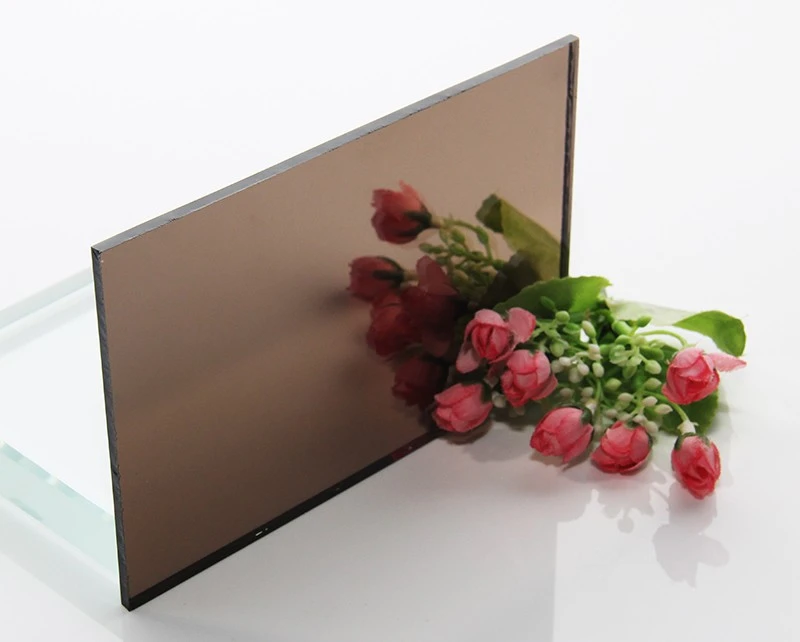

First, do you see the entire blind spot? Let’s say it’s for a corner where two aisles meet. Stand at the end of each aisle that would be hidden from the corner. You should be able to see yourself (or a forklift) in the mirror from both spots. If one spot is blocked, the mirror’s not angled right. Most safety mirrors have a slight adjustment—either the bracket swivels or you can tilt the frame. Tweak the angle until you can see both sides. If you have a large area to cover, sometimes two smaller mirrors work better than one big one—less glare, more precise view.
Second, is the image clear? Look for distortions. If the image is warped or stretched, that’s a problem. Either the mirror’s not flat (you got a bad one, or it was bent during shipping) or it’s mounted unevenly. Gently press the center of the mirror—if it flexes, that’s a sign it’s not properly secured, or the mounting surface is soft. Another thing: check for scratches or fogging right after install. Sometimes shipping dust gets trapped under the adhesive, or the mirror gets scuffed during mounting. Wipe it down with a glass cleaner (no ammonia, that can damage the backing) and make sure the surface is smooth.
For outdoor mirrors, there’s an extra check: weather resistance. If it’s going to be in rain, snow, or extreme heat, make sure the mounting hardware is rust-proof. We always pair our safety mirrors with stainless steel brackets for outdoor use, because regular steel will rust and fall apart in a year.
4. Follow-Up Check: Don’t Just Hang It and Forget It
Installing a safety mirror isn’t a set-it-and-leave-it thing. I tell all my customers to do a quick check every month, especially in high-traffic areas. What to look for:
- Is the mirror loose? Wiggle it gently. If it moves, tighten the screws or reapply a small amount of epoxy.
- Is the surface damaged? A small crack or scratch might seem minor, but it can spread, and if the mirror shatters, the safety backing will hold it together—but a cracked mirror is hard to see through properly.
- Is the angle off? Sometimes a forklift bump can shift the mirror a little. A quick tweak every few months keeps it working right.
I’ve been in this game long enough to know that most of the issues with safety mirrors come from cutting corners on install, not the mirror itself. You spend good money on a safety mirror—don’t mess up the install and waste that cash. Whether you need a standard size, a custom cut, or just advice on what type of mirror works for your space, I’m here to help. If you’re ready to grab a safety mirror (or browse our other options), just reach out to our team to discuss your needs. We can hook you up with the right mirror and even send a quick install guide to make sure you get it right the first time.
References
- Occupational Safety and Health Administration (OSHA) – Warehouse Aisle Safety Guidelines
- Glass Association of North America (GANA) – Safety Mirror Installation Best Practices
- Material Handling Industry (MHI) – Blind Spot Mirrors for Warehouse Facilities


