


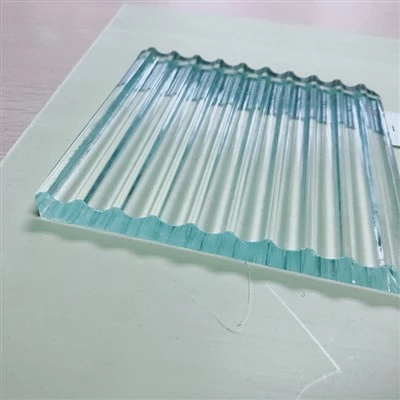
Pattern Glass
Lakeway Industrial Co., Ltd. has a diversified glass product structure, mainly producing and exporting photo frame glass, ultra-clear glass, ultra-iron glass, embossed glass, wired glass, colored glass, reflective glass, silver mirror, antique mirror, acid-etched glass, painted glass, silk screen glass, laminated glass, tempered glass, LOW-E glass, dichroic glass and AR glass, etc.




Why choose us
Wide Range Of Product Applications
Our products can be used for photo frames, clocks, doors and windows, exterior walls and curtain walls, furniture, interior partitions, balcony doors, showrooms, skylights, museums, passive houses, gyms, swimming pools, furniture, hotels, etc.
Advanced Production Machines
For example: Float glass production line, mirror production line, acid-etched glass production line, tempered glass production line, laminated glass production line, screen printing production line, cutting machine and CNC machining center, etc.
Complete Certificates
Lakeway Industrial Co., Ltd. has obtained ISO9001, CE, REACH, CSI, ROHS, SGCC, IGCC certificates.
Production Market
Our products are widely exported to more than 90 countries and regions including the United States, Australia, New Zealand, Europe, India, the Middle East, Africa, etc.
Features of Pattern Glass
Decorativeness
The surface of patterned glass is usually designed with various shapes and patterns, which can increase visual beauty and is suitable for indoor and outdoor decoration, such as windows, partitions, doors, etc.
Privacy Protection
Due to its special pattern and texture, patterned glass can effectively block the view and provide a certain degree of privacy protection without affecting the light transmission.
Light Transmission
Despite the pattern on the surface, patterned glass can still allow light to pass through, creating a bright environment.
Durability
Patterned glass is usually made of high-quality raw materials, with certain weather resistance and impact resistance, suitable for various use environments.
Easy To Clean
The surface treatment of patterned glass usually makes it easier to clean and relatively simple to maintain.
Heat Insulation Function
Some patterned glass also has a certain heat insulation effect, which can reduce heat transfer and improve the energy efficiency of buildings.

Application of Pattern Glass
Architectural Design
Pattern glass is often used in windows for its decorative appeal and ability to diffuse light while providing privacy.
Home Decor
Pattern glass can be incorporated into cabinet doors to add texture and visual interest to furniture, especially in kitchens and dining areas.
Lighting Fixtures
Used in lamp shades and light covers for decorative lighting solutions that create visually interesting reflections and diffusions of light.
Shower Doors and Enclosures
Pattern glass is a popular choice for shower doors due to its ability to obscure visibility while offering an aesthetically appealing appearance.
Glassware and Tableware
Commonly found in items like glass bowls, vases, and serving dishes, where the texture can enhance the visual appeal and tactile experience of the piece.
Stained Glass and Decorative Panels
Incorporated in stained glass windows and decorative panels, pattern glass adds depth and texture while allowing for creative design possibilities.
Display Cases
Can be used in retail displays or collectibles cases, where the texture can enhance the visual interest of the contents being displayed.
Glass Artwork
Artists may use pattern glass to create unique pieces of art, taking advantage of the way light interacts with the textured surface.
Depression Glass
Produced during the Great Depression, this glassware is often colorful and features simple yet charming patterns. Common colors include green, pink, and clear, with designs like ridges, scallops, and floral motifs.
Pressed Glass
This type of glass is made by forcing molten glass into a mold, resulting in patterns with sharp details. Pressed glass can range from simple to highly ornate designs and includes items like bowls, plates, and candlesticks.
Cut Glass
In cut glass, the surface is cut or etched to create decorative patterns, often featuring sparkling facets. Although more labor-intensive, it produces a high-quality, luxurious finish.
Cameo Glass
This type involves layering different colors of glass and then carving away the top layer to reveal a contrasting color underneath, creating a three-dimensional effect. It often features classical or floral motifs.

Milk Glass
While not always associated with patterns, milk glass can have various embossed or painted designs. It is characterized by its opaque, white appearance and has been produced since the 19th century.
Fenton Glass
Fenton Art Glass is known for its hand-crafted pieces, often including patterns and vibrant colors, along with techniques such as hand-painting and iridescence.
Murano Glass
Originating from the Venetian island of Murano, this glass often includes intricate patterns and colors achieved through traditional craftsmanship techniques like filigrana and murrine.
Optic Glass
This type features patterns that create optical effects, such as ribbing or swirls, which can distort the appearance of the content inside and create interesting visual effects when viewed.
Specifications and Dimensions of Pattern Glass
Thickness Range
1. Thin: 3mm, 4mm (furniture, decoration, interior doors and windows)
2. Standard thickness: 5mm, 6mm (building partitions, shower rooms, doors and windows)
3. Thickened: 8mm, 10mm (curtain walls, high-end decoration)
Standard Size
1. Conventional size (for buildings, furniture, partitions, etc.): 1500 × 2000mm, 1830 × 2440mm, 2000 × 2400mm, 2134 × 3300mm, 2440 × 3660mm.
2. Large panel size (suitable for curtain wall, customized processing): 2140 × 3300mm, 2250 × 3300mm, 2440 × 3660mm, 2440 × 5000mm (customizable by some manufacturers),
Glass Patterns
Common patterns include: Crabapple flower, water pattern, cube, raindrop, square, diamond pattern, pear skin pattern.
Packaging and Shipping of Pattern Glass
Select the Right Packaging Materials
1. Boxes: Use sturdy, double-wall corrugated boxes that are appropriately sized for the glass pieces being shipped.
2. Dividers: Employ cardboard or foam dividers for separating individual pieces to prevent them from touching each other.
3. Padding Materials: Use bubble wrap, foam sheets, or packing peanuts to cushion the glass and fill empty spaces in the box.
Preparation of Glass Pieces
1. Cleaning: Ensure that all glass surfaces are free of dust and debris before packaging to prevent scratches during transit.
2. Wrapping: Wrap each piece of glass individually in thick bubble wrap or foam to absorb shock and protect against impacts. Secure with packing tape.
3. Corner Protection: Use corner protectors or custom foam inserts for additional support, especially for larger or more fragile pieces.
Boxing the Glass
1. Layering: If shipping multiple pieces, place the heaviest items on the bottom and lighter items on top.
2. Securing: Seal the box securely with high-quality packing tape. Ensure that all seams are taped to reinforce the box strength.
3. Labeling: Clearly label the box with “Fragile” and direction arrows to indicate how the box should be handled. Also, include contact information and destination details.
Choosing the Shipping Method
1. Shipping Carrier: Select a reliable carrier that has experience in handling fragile items. Options may include UPS, FedEx, or specialized freight services.
2. Insurance: Insure the shipment to cover any potential damages during transit. This is especially important for valuable or irreplaceable glass items.
3. Tracking: Use a shipping option that provides tracking capabilities so that you can monitor the shipment's progress.
Handling and Transportation
Temperature Control: If shipping glass in extreme weather (very hot or cold), consider temperature-controlled shipping methods, as rapid changes in temperature can cause glass to crack.
Receiving the Shipment
1. Inspection: Upon receipt, inspect the package for any visible damage before opening it. If the box appears damaged, take photos and document the condition before unpacking.
2. Unwrapping: Carefully unwrap each piece and examine it for any damages during transit. If damage is found, use the documentation prepared earlier to file a claim with the shipping carrier.
Certificate


