

As a supplier of Silk Screen Glass, I often encounter inquiries from clients about the product, ranging from its aesthetic and functional benefits to more technical and safety - related questions. One question that has come up more frequently in recent times is whether there are any health risks associated with silk screen glass production. In this blog, I will delve into this topic and provide a comprehensive analysis based on current scientific knowledge.
Understanding Silk Screen Glass
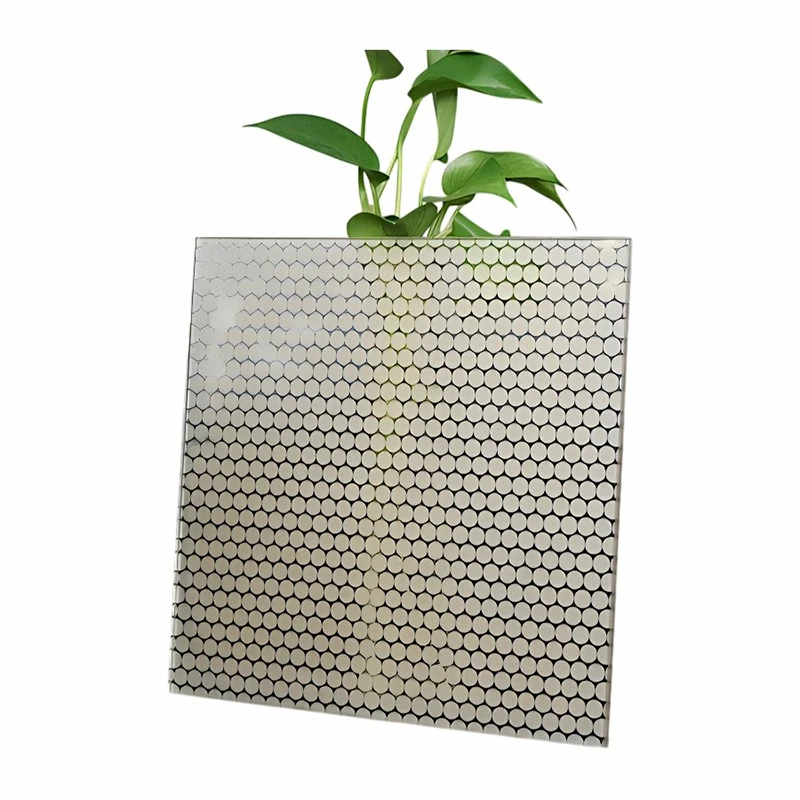
Silk Screen Glass is a type of processed glass that has a decorative pattern or design printed on its surface. The process involves using a silk screen stencil to apply ceramic inks onto the glass. These inks are then fired at high temperatures, which fuses them to the glass surface, creating a durable and long - lasting design. Silk Screen Glass is widely used in various applications, including architectural, interior design, and automotive industries. You can find more information about it on our Silk Screen Glass page.
Potential Health Risks in the Production Process
Chemical Exposure
The ceramic inks used in silk screen glass production are a primary concern when it comes to potential health risks. These inks often contain heavy metals such as lead, cadmium, and chromium. Prolonged exposure to these heavy metals can have serious health consequences. For example, lead can accumulate in the body over time and affect the nervous system, especially in children, where it can cause learning disabilities and behavioral problems. Cadmium is a known carcinogen and can also damage the kidneys and lungs.
Workers in the production facility may be exposed to these heavy metals through inhalation of ink dust or fumes during the printing and firing processes. Additionally, skin contact with the inks can also lead to absorption of the toxic substances. To mitigate these risks, proper safety measures must be in place, such as using personal protective equipment (PPE) like respirators, gloves, and protective clothing. Adequate ventilation systems should also be installed to reduce the concentration of hazardous fumes in the workplace.
Noise Exposure
The production of silk screen glass involves several machinery, such as printing presses and firing kilns. These machines can generate high levels of noise. Prolonged exposure to loud noise can cause hearing loss, tinnitus (ringing in the ears), and other auditory problems. Workers should be provided with appropriate hearing protection, such as earplugs or earmuffs. Regular hearing tests can also be conducted to monitor the hearing health of the employees.
Physical Hazards
Handling large sheets of glass in the production process poses physical risks. Glass can break easily, and sharp glass shards can cause cuts, lacerations, and even more severe injuries if not handled properly. Workers need to be trained on the correct lifting and handling techniques for glass. Safety barriers and shields should be installed around machinery to prevent accidental contact with moving parts or flying glass fragments.
Safety Standards and Regulations
To ensure the safety of workers and the environment, the silk screen glass production industry is subject to various safety standards and regulations. For example, in many countries, there are strict limits on the amount of heavy metals that can be present in industrial products. These regulations are designed to protect public health and the environment from the harmful effects of these substances.
Companies in the industry are required to comply with occupational safety and health regulations, which include providing proper training, safety equipment, and a safe working environment for their employees. Regular inspections are carried out by regulatory authorities to ensure compliance with these standards.
Our Company's Approach to Mitigating Health Risks
As a responsible Silk Screen Glass supplier, we take the issue of health risks in the production process very seriously. We have implemented a comprehensive safety management system to protect our workers and the environment.
First of all, we use high - quality ceramic inks that meet the strictest environmental and safety standards. These inks are formulated to minimize the content of heavy metals and other toxic substances. We also work closely with our ink suppliers to ensure that they adhere to the latest safety and environmental regulations.

In terms of workplace safety, we provide our workers with extensive training on safety procedures and the proper use of PPE. Our production facilities are equipped with advanced ventilation systems to remove harmful fumes and dust. We also conduct regular maintenance and inspections of our machinery to ensure that they are operating safely.
Other Applications and Related Products
Silk Screen Glass is just one of the many types of processed glass we offer. We also have Bird Friendly Glass, which is designed to reduce bird collisions with glass structures. This type of glass has special patterns or coatings that make it more visible to birds, helping to protect these creatures while still maintaining the transparency and aesthetic appeal of the glass.
Another popular product in our range is the Fluted Glass Door For Bathroom. Fluted glass provides privacy while allowing light to pass through, making it an ideal choice for bathroom doors. It adds a touch of elegance and style to any bathroom interior.
Conclusion
While there are potential health risks associated with silk screen glass production, these risks can be effectively managed through proper safety measures, the use of high - quality materials, and strict adherence to safety standards and regulations. As a supplier, we are committed to ensuring the safety of our workers and providing our customers with high - quality, safe products.
If you are interested in our Silk Screen Glass or any of our other processed glass products, we encourage you to contact us for a procurement discussion. We have a team of experts who can provide you with detailed information, samples, and competitive quotes. Let's work together to find the best glass solutions for your projects.
References
- Occupational Safety and Health Administration (OSHA) guidelines on industrial chemical exposure and noise control.
- Environmental Protection Agency (EPA) regulations on heavy metal limits in industrial products.
- Scientific research papers on the health effects of heavy metals and noise exposure.


